On this page
01. The problem02. How it works03. What to check before you buy04. How we set it up05. What we supply06. How to put it to the hospital07. Get a free survey and quote08. FAQ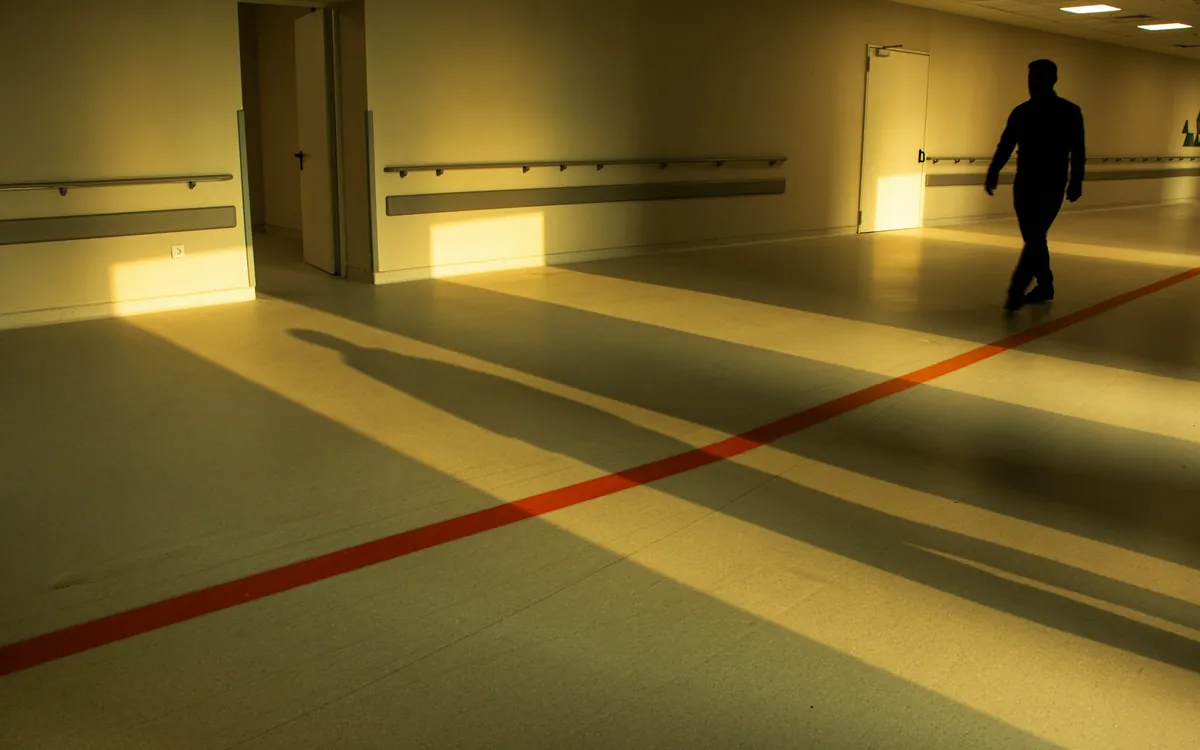
Night is when a hospital is most exposed. Here is how guards, patrol checks and technology work together.
Key takeaways
- Patrol checkpoints
- Cameras fill the gaps
- A call for help
- Reports
01The problem
At night there are fewer staff and more shadows. Guards on patrol with checkpoints, cameras to watch what they cannot, and a way to call for help make night security reliable instead of lucky.
02How it works
03What to check before you buy
| Check | Why it matters |
|---|---|
| Patrol route | Mapped |
| Checkpoints | Tags or app |
| Communication | Radios or phones |
| Reports | Daily |
| Maintenance | A plan, spares and a response time agreed before you buy |
| Your own requirements | Confirm them with your regulator and advisers |
04How we set it up
- 01Walk a hospital at nightWe note every door, room, route and risk.
- 02Draw the planWhere night security and guarding goes and what it covers.
- 03Cable and powerCabling, power and backup to every point.
- 04Fit and configureInstalled, set up and labelled.
- 05Test and trainWe test every point and train your staff.
05What we supply
We design, supply and install night security and guarding for hospitals, clinics and care homes. Send us a plan or a photo and the number of rooms or doors and we reply with a written quote.
06How to put it to the hospital
Start with the problem a hospital at night already has, in the words your reader would use, then show what changes. Quote the full scope for a hospital at night, including cabling, power, installation, training and maintenance, and say plainly what the system does and does not do.
07Get a free survey and quote
08Frequently asked questions
Do you supply guards?
Ask us about our guarding partners.
Can we check patrols?
Yes, with checkpoints.
What if a guard is in danger?
A panic button calls for help.